Customized Electrical Panels for Safe, Smart and Reliable Control
An Electrical Control Panel System is the central control unit of any industrial or commercial electrical setup. It manages power distribution, protects equipment, and controls machines with precision. Whether it is a water treatment plant, RO system, bottling plant, manufacturing unit, HVAC system, or automation line, a well-designed electrical control panel ensures smooth and safe operation.
In simple words, an electrical control panel is a metal enclosure that contains electrical components arranged in an organized manner. These components work together to control motors, pumps, compressors, heaters, conveyors, and other industrial equipment. Without a control panel, machines cannot operate safely or efficiently.
Purpose of an Electrical Control Panel
The main purpose of an electrical control panel is to distribute electricity properly and control electrical equipment. It ensures that every machine receives the correct voltage and current. It also protects the system from short circuits, overload conditions, voltage fluctuations, and electrical faults.
A properly designed panel reduces downtime, prevents damage to expensive machinery, and improves overall plant performance. It acts as the brain of the entire system by managing automatic and manual operations.
Customized Design for Every Industry
Every industry has different power requirements and operational processes. That is why customized electrical control panels are important. A customized panel is designed according to the load capacity, type of machinery, automation level, and environmental conditions of the site.
For example, a control panel used in a water treatment plant will be different from one used in a pharmaceutical factory. The number of motors, pump ratings, sensor inputs, and automation needs will vary. Customization ensures that the panel perfectly matches the system requirement and allows future expansion if needed.
Major Components Inside the Panel
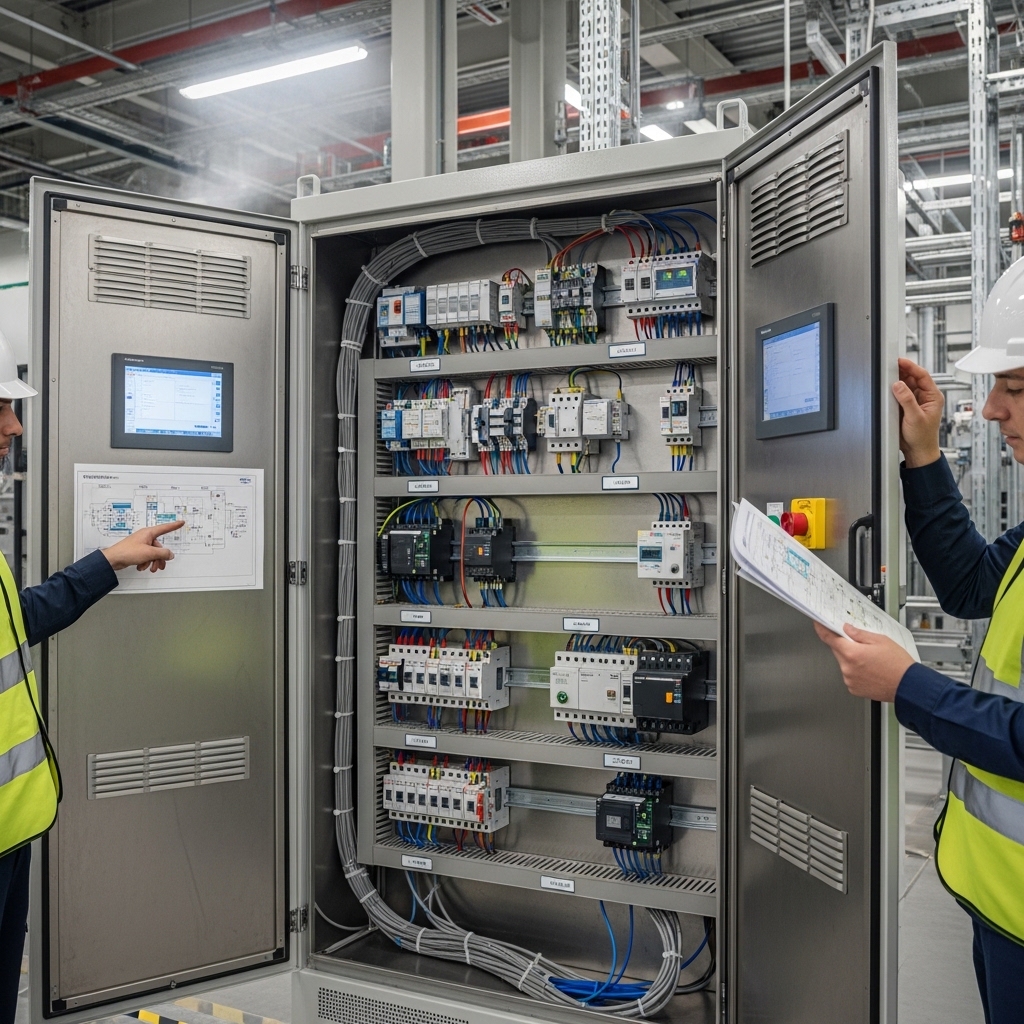
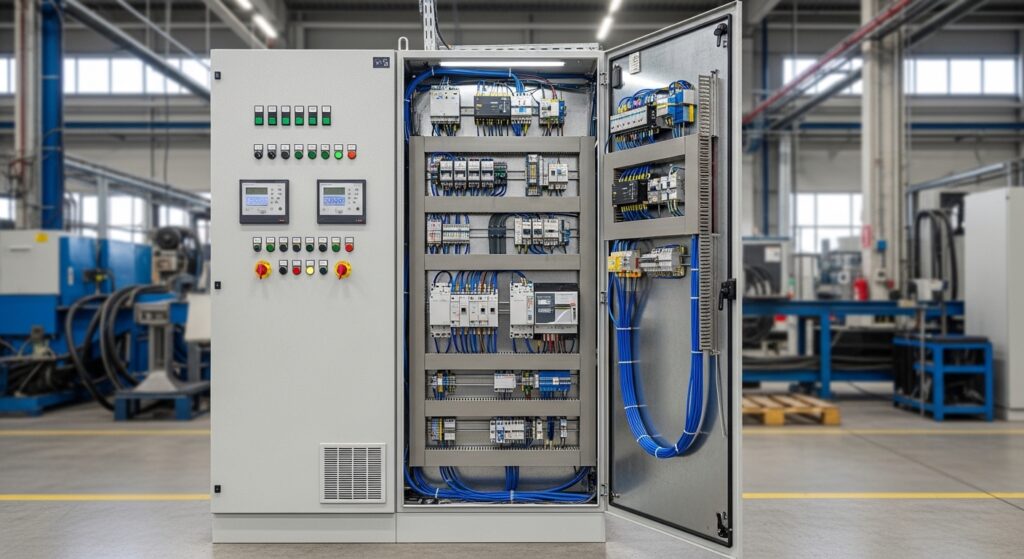
An electrical control panel includes several important components that work together. These typically include circuit breakers, contactors, relays, timers, overload protectors, power supplies, terminal blocks, and control switches. In advanced systems, PLC modules, HMI displays, soft starters, and variable frequency drives are also included.
Circuit breakers protect the system from short circuits and overload conditions. Contactors and relays control the switching of motors and pumps. PLC systems automate the operation process. VFDs help control motor speed and reduce energy consumption. All components are arranged neatly with proper labeling and safe wiring practices.
Automation and Smart Control
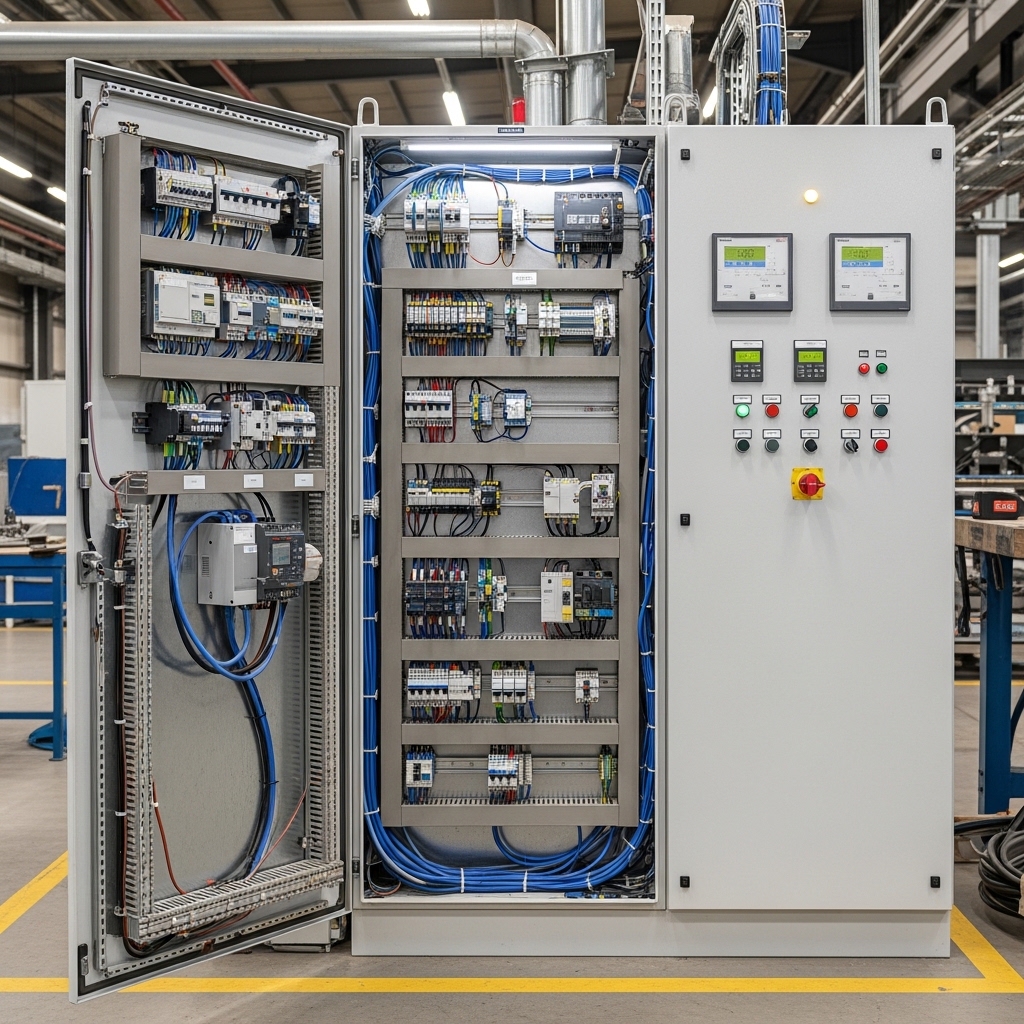
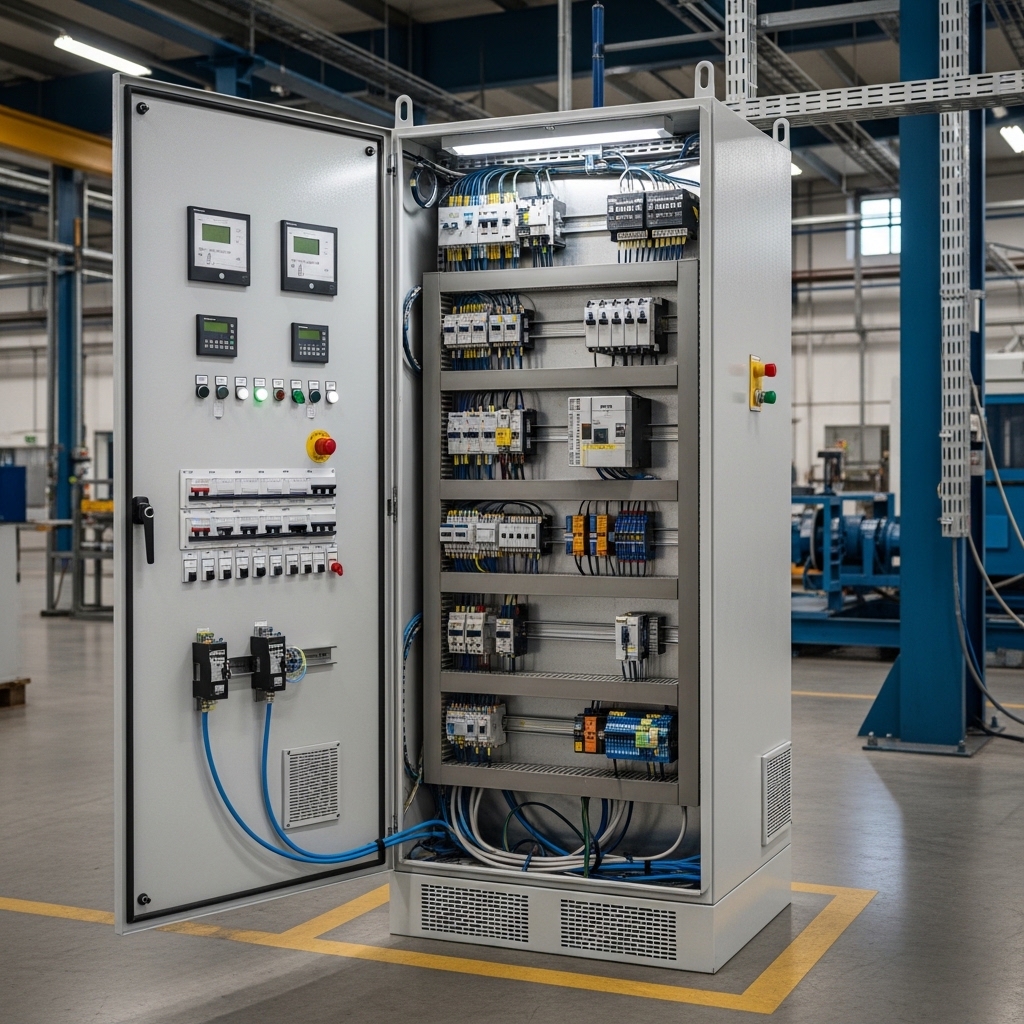
Modern electrical control panels are equipped with automation technology. PLC-based panels allow automatic operation of pumps, compressors, dosing systems, and other equipment. Operators can program the sequence of operations, timing, and safety conditions.With automation, human errors are reduced, production efficiency increases, and operational accuracy improves. Many systems also include HMI touch screens that allow easy monitoring and control. Operators can check voltage levels, motor status, alarms, and system performance in real time.
Safety and Protection Features
Safety is the most important feature of any electrical control panel system. Proper earthing, insulation, overload protection, and emergency stop systems are installed to ensure operator safety. In case of abnormal conditions such as voltage fluctuation or motor overload, the panel automatically shuts down the affected section.
Panels are also designed with proper ventilation and cooling systems to prevent overheating. High-quality copper wiring and strong terminals ensure safe electrical connections. Clear labeling helps technicians perform maintenance safely and quickly.
Applications in Water Treatment and Industrial Plants
Electrical control panels are widely used in water treatment systems such as RO plants, DM plants, softener systems, and packaged drinking water plants. They control high-pressure pumps, ozone generators, air compressors, UV systems, and filling machines.
In manufacturing industries, control panels manage conveyor belts, robotic arms, motors, heating elements, and packaging lines. In commercial buildings, they control HVAC systems, lighting systems, and backup power systems.
Without a reliable control panel, these systems cannot operate smoothly.
Types of Electrical Control Panels
There are different types of panels used for different purposes. Power distribution panels distribute electricity to various machines. Motor control centers manage multiple motors. PLC panels handle automation processes. AMF panels manage generator systems and switch power automatically during power failure.
Each panel is designed according to its application, ensuring safe and efficient performance.
Durable and Long-Lasting Construction
Industrial control panels are made from high-quality materials such as powder-coated mild steel or stainless steel. These materials provide strength, corrosion resistance, and long service life. For outdoor installations, weatherproof and dustproof enclosures are used to protect the internal components.
The internal wiring is carefully arranged using cable ducts to keep the panel clean and organized. This improves maintenance efficiency and reduces the risk of faults.
Energy Efficiency and Cost Savings
Modern electrical panels help reduce electricity consumption. By using VFDs and soft starters, motor speed can be controlled based on requirement. This prevents unnecessary power usage and increases motor life.
Automatic load management systems reduce energy waste and improve plant efficiency. Over time, this leads to significant cost savings and better performance.
Installation and Maintenance
Proper installation is very important for the safe operation of the panel. The panel should be installed in a dry and ventilated location with proper grounding. All connections must be tested before starting operations.
Regular maintenance includes checking wiring connections, cleaning dust, inspecting breakers and relays, and testing safety systems. Preventive maintenance ensures long-term reliability and reduces unexpected breakdowns.
Why Choose a Customized Electrical Control Panel System
A professionally designed and customized electrical control panel ensures stable performance, high safety standards, and smooth operation. It reduces manual work, improves productivity, and protects valuable machinery.
Investing in a high-quality electrical control panel means investing in reliability, safety, and efficiency. It becomes the backbone of your industrial or commercial operation.