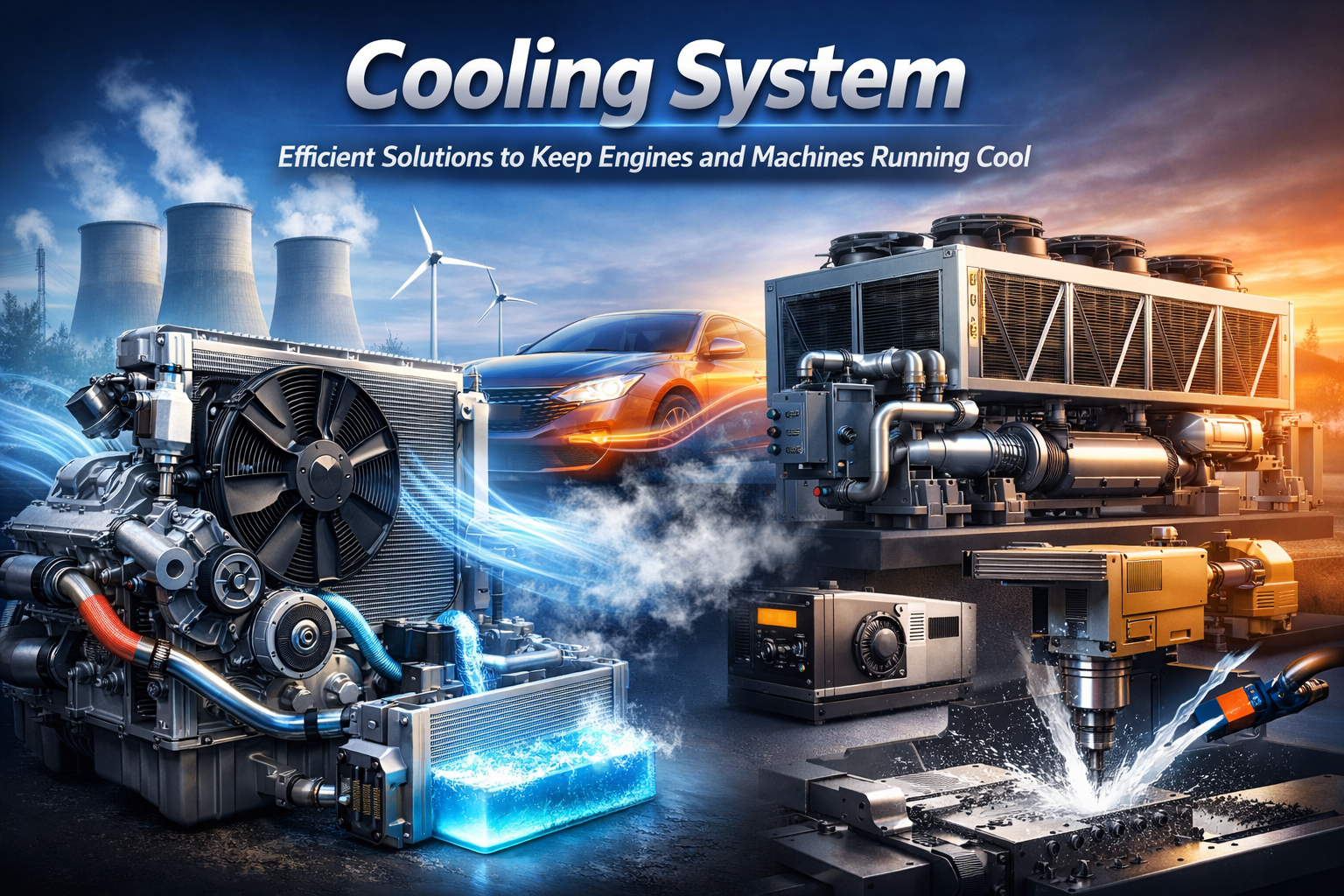
Efficient solutions to keep engines and machines running cool
In today’s fast-paced industrial and mechanical world, machines and engines are expected to perform continuously under demanding conditions. Whether it is an automobile engine, industrial machinery, power generator, or manufacturing equipment, heat generation is unavoidable. This is where a cooling system plays a critical role. A well-designed cooling system ensures that engines and machines operate within safe temperature limits, preventing damage, improving efficiency, and extending their lifespan.
A cooling system is not just a supportive component—it is a necessity for reliable and long-term performance. Without proper cooling, even the most advanced machines can fail due to overheating, leading to costly repairs, downtime, and safety risks.
What Is a Cooling System?
A cooling system is a mechanical or industrial solution designed to remove excess heat from engines, machines, or equipment during operation. As machines work, friction and combustion generate heat. If this heat is not controlled, it can damage internal components, reduce efficiency, and cause system failure.
Cooling systems work by transferring heat away from critical components using air, water, coolant fluids, or advanced cooling technologies. The absorbed heat is then released safely into the surrounding environment, keeping the system at an optimal operating temperature.
Why Cooling Systems Are Important
Cooling systems are very important in industries and commercial places. When machines and equipment work, they produce heat. If this heat is not controlled, machines can get damaged or stop working. Cooling systems help remove extra heat and keep machines safe.
Cooling systems help machines work smoothly and efficiently. When the temperature is under control, machines give better performance and do not face frequent breakdowns. This also helps in maintaining continuous work without interruptions.
Heat can reduce the life of machines and electrical parts. Cooling systems protect important components from overheating and reduce wear and tear. This helps machines last longer and lowers repair and maintenance costs.
In many industries, the right temperature is very important for the process. Cooling systems help maintain a stable temperature for water, oil, air, and other industrial fluids. This ensures good product quality and safe operations.
Proper cooling also helps save energy. Machines that stay cool do not consume extra power. This reduces electricity bills and overall operating costs.
Cooling systems are also good for the environment. Modern systems are designed to be energy-efficient and reduce heat waste. This supports safe and sustainable industrial operations.
In simple words, cooling systems are not only used to cool machines. They help improve safety, performance, machine life, and cost efficiency. That is why cooling systems are an essential part of any industrial setup.
How Cooling Systems Work
The basic working principle of a cooling system is heat transfer. Heat generated by engines or machinery is absorbed by a cooling medium and transferred away from the source.
Basic Cooling Process:
Heat is generated during machine operation.
The cooling medium absorbs the excess heat from the machine.
This heat is then transported to a radiator, heat exchanger, or cooling surface.
From there, the heat is released into the surrounding air or environment.
After releasing the heat, the cooled medium circulates back into the system.
This continuous cycle helps maintain proper temperature control even under heavy workloads.
Types of Cooling Systems
Different machines and industries require different cooling solutions. Below are the most common types of cooling systems:
1. Air Cooling System
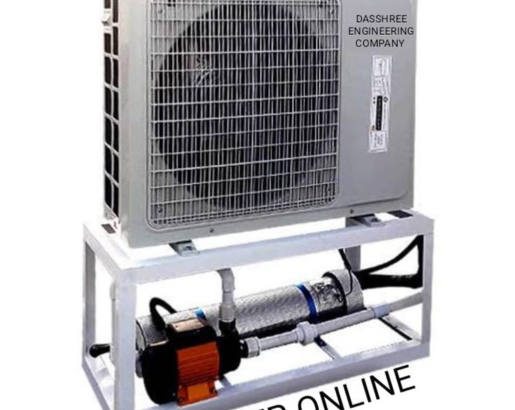
An air cooling system is used to remove heat by using air. It works by allowing cool air to flow around machines, equipment, or systems and carry away the heat. This helps keep the temperature under control and prevents overheating.
Air cooling systems are simple, reliable, and easy to maintain. They are commonly used in industries, factories, HVAC systems, electrical panels, and machines where water cooling is not required.
This system helps machines run smoothly and improves overall performance. It also increases the life of equipment by protecting important parts from heat damage.
Air cooling systems are energy-efficient and cost-effective. They use natural or forced air circulation, which helps reduce power consumption and operating costs.
In short, air cooling systems are an effective solution for maintaining safe temperatures, ensuring stable operation, and improving efficiency in industrial and commercial applications.
2. Water Cooling System
Water cooling systems use water or coolant fluids to absorb and carry heat away from machine components.
Advantages:
-
Highly efficient cooling
-
Suitable for heavy-duty machines
-
Stable temperature control
Applications:
-
Automobile engines
-
Industrial generators
-
Manufacturing equipment
3. Liquid Cooling System
Liquid cooling systems use specialized coolants instead of plain water. These systems are common in high-performance engines and sensitive machinery.
Advantages:
-
Better heat transfer
-
Corrosion protection
-
Consistent cooling
Applications:
-
High-performance vehicles
-
Data centers
-
Industrial machinery
4. Oil Cooling System
Oil cooling systems use lubricating oil to reduce heat while simultaneously lubricating moving parts.
Advantages:
-
Dual function (cooling + lubrication)
-
Reduces friction
-
Enhances engine efficiency
Applications:
-
Heavy engines
-
Hydraulic systems
-
Industrial gearboxes
Cooling Systems in Industrial Applications
Industrial machines often operate continuously under high loads. Without proper cooling, overheating can lead to production losses and equipment damage.
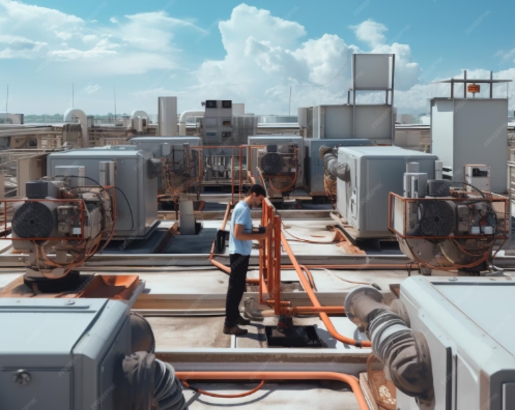
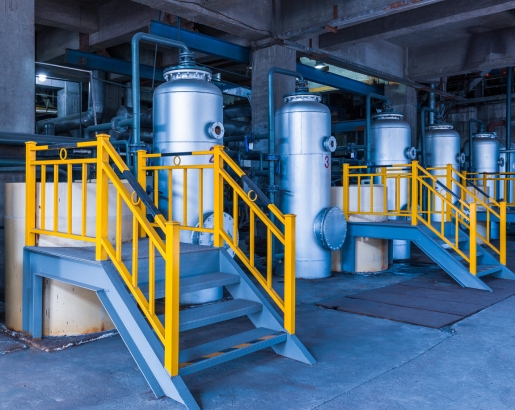
Industries such as manufacturing, power generation, and chemical processing rely on advanced cooling systems like chillers, cooling towers, and industrial radiators to maintain stable operations.
Future of Cooling Systems
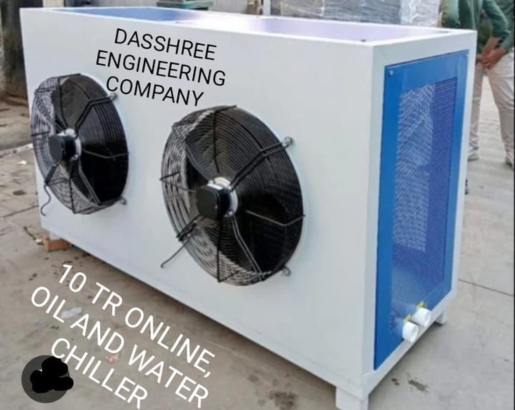
With advancements in technology, cooling systems are becoming smarter and more efficient.
Modern systems use sensors, automation, and advanced materials to optimize cooling performance.
Innovations such as hybrid cooling, eco-friendly coolants, and intelligent monitoring systems are shaping the future of cooling technology.
Industrial Cooling System
High-performance cooling solutions for industrial efficiency, operational reliability, and extended equipment life.