RO, Plant, Shoperner, DM Plant

High-Performance Water Treatment Solutions for Pure and Safe Water

Water is one of the most essential resources for homes, businesses, and industries. However, raw water often contains impurities such as dissolved salts, hardness, chemicals, heavy metals, and microorganisms that make it unsafe for drinking or unsuitable for industrial processes. To solve these problems, advanced water treatment systems like RO Plants, Water Softeners, and DM Plants are widely used.

These systems are designed to improve water quality, protect equipment, enhance production efficiency, and ensure safe consumption. Below is a detailed explanation of each system and how they work together to provide complete water treatment solutions.

1. RO Plant (Reverse Osmosis Plant)

An RO Plant is a high-performance water purification system that removes dissolved salts, chemicals, heavy metals, bacteria, and other impurities from water. It works using a semi-permeable membrane and pressure technology to separate contaminants from water.

How an RO Plant Works

The purification process includes:

1. Pre-Treatment

Water first passes through:

  • Sand filter (removes dust and suspended particles)

Carbon filter (removes chlorine, odor, and chemicals)

2. High-Pressure Pump

A pump forces water through the RO membrane at high pressure.

3. RO Membrane

The membrane removes:

  • TDS (Total Dissolved Solids)
  • Heavy metals
  • Harmful salts
  • Microorganisms

4. Post Treatment

Additional filters or UV treatment may be added for extra purification.

Benefits of RO Plant

  • Removes up to 99% of dissolved impurities
  • Provides safe drinking water
  • Reduces scaling in machinery
  • Improves taste and clarity of water

Suitable for high TDS water

Applications of RO Plant

  • Residential apartments
  • Schools and colleges
  • Hospitals
  • Hotels and restaurants
  • Manufacturing industries

Food and beverage plants

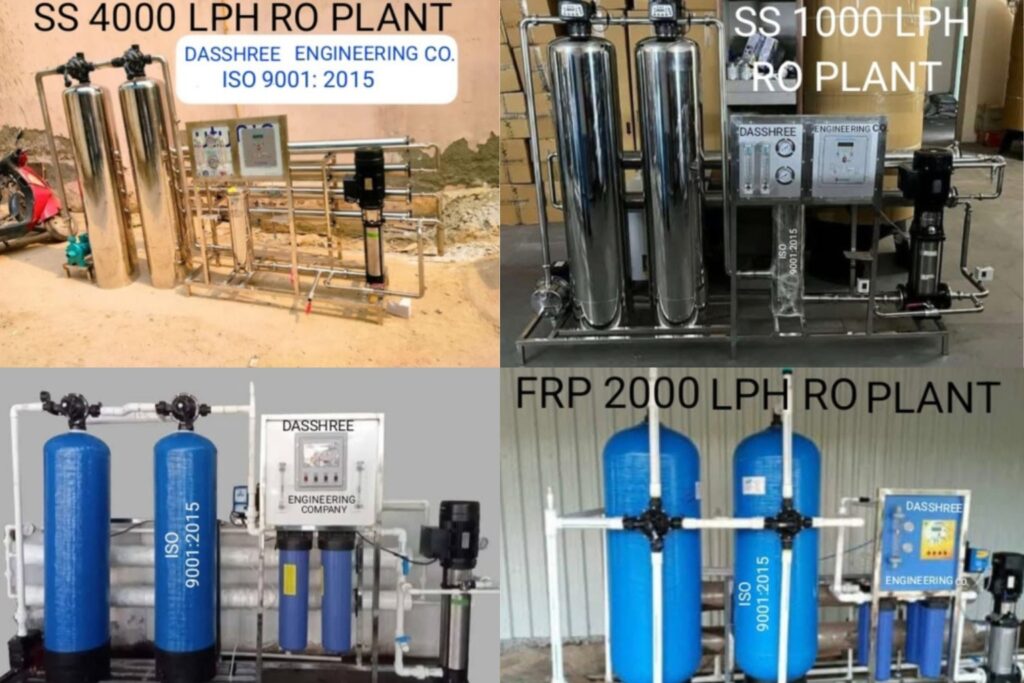
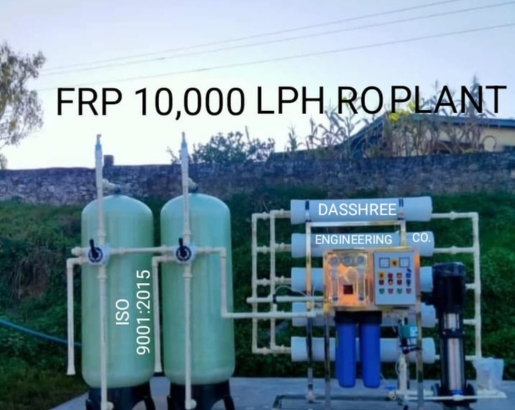
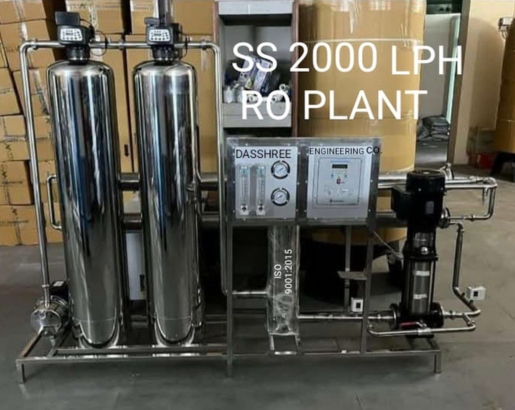
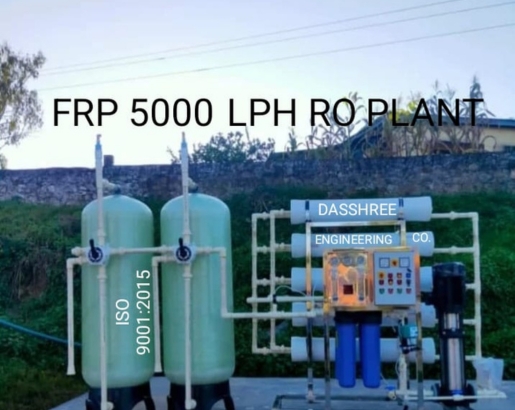
RO plants are available in various capacities such as 250 LPH, 500 LPH, 1000 LPH, 2000 LPH, and higher depending on requirement.

2. Water Softener (Shoperner)

A Water Softener is a system that removes hardness from water. Hard water contains high levels of calcium and magnesium, which cause scaling in pipes, boilers, and machines.

Hard water can:

  • Damage equipment
  • Reduce soap efficiency
  • Leave white stains
  • Increase maintenance costs

A water softener solves these problems effectively.

How a Water Softener Works

Water softeners use a process called ion exchange.

  1. Hard water enters the softener tank.
  2. Resin beads inside the tank attract calcium and magnesium ions.
  3. Sodium ions replace hardness ions.
  4. Soft water flows out for use.

The system automatically regenerates using salt when the resin becomes saturated.

Benefits of Water Softener

  • Prevents scale formation
  • Increases life of appliances
  • Reduces electricity consumption
  • Improves soap and detergent performance
  • Protects pipelines and boilers

Applications of Water Softener

  • Residential homes
  • Hotels and hostels
  • Laundry units
  • Hospitals
  • Boiler feed systems
  • Cooling towers

Water softeners are essential in industries where hardness can damage expensive machinery.

3. DM Plant (De-Mineralization Plant)

A DM Plant is designed to remove all dissolved minerals and salts from water. It produces highly purified water with very low conductivity.

DM plants are mainly used in industries where ultra-pure water is required.

How a DM Plant Works

DM plants use ion exchange resins in two stages:

1. Cation Exchange

Removes positive ions like calcium, magnesium, sodium.

2. Anion Exchange

Removes negative ions like chloride, sulfate, nitrate.

After both processes, water becomes demineralized.

Mixed bed polishers may be added for higher purity.

Benefits of DM Plant

  • Produces ultra-pure water
  • Reduces scaling and corrosion
  • Improves product quality
  • Essential for sensitive industrial processes
  • Low maintenance with proper operation
Difference Between RO Plant, Softener, and DM Plant

Understanding the difference helps in selecting the right solution.

RO Plant

Removes dissolved salts, impurities, bacteria, and chemicals. Suitable for drinking and general industrial use.

Water Softener

Removes only hardness (calcium and magnesium). Used to protect equipment.

DM Plant

Removes all minerals and produces highly pure water. Used for industrial and technical purposes.

Often, these systems are used together. For example:

  • Softener + RO Plant
  • RO + DM Plant

Softener + RO + DM for advanced purification

Custom Solutions for Every Need

Water quality differs from place to place. Therefore, water testing is important before selecting a system. Based on TDS, hardness, and usage, the correct combination of RO Plant, Water Softener, and DM Plant can be recommended.

Maintenance and Service

Regular maintenance ensures smooth performance.

Maintenance includes: